
Lighthouse Bookkeeping
Practical Bookkeeping Resources
Practical answers for service-business owners, nonprofit leaders, and churches. Explore the guides below, then find hands-on bookkeeping support when you need it.
Practical answers for service-business owners, nonprofit leaders, and churches. Explore the guides below, then find hands-on bookkeeping support when you need it.
| If this is you | Start here |
|---|---|
| My books are behind | How to catch up on months of bookkeeping |
| I want a monthly routine | Monthly bookkeeping checklist |
| My bank and books do not match | Reconciling bank accounts in QuickBooks Online |
| I am choosing a bookkeeper | What to expect when hiring a remote bookkeeper and what bookkeeping costs |
| I want to read my reports | Profit and loss vs. balance sheet |
| I run a contracting business | Job costing basics |
| I run a cleaning business | Cleaning business bookkeeping guide |
| I lead a nonprofit | Tracking restricted donations and board reporting 101 |
A month of bookkeeping is easier to finish when you know what to collect, what to check, and which questions need an answer. Use this checklist to build a repeatable routine for your service business.
Read the guide →A bookkeeping backlog can feel larger than it is because the missing work is mixed with uncertainty. Begin by identifying the reliable starting point, then work through the records in a defined order.
Read the guide →Bookkeeping prices make more sense when you compare what the engagement actually includes. Transaction volume matters, but so do accounts, record condition, reporting needs, and additional services.
Read the guide →Hiring a remote bookkeeper begins with understanding the working relationship. Software access is only one part; responsibilities, records, reports, and communication matter just as much.
Read the guide →Bank reconciliation is a check between your accounting records and an account statement. It helps you identify differences before they become part of the financial reports you rely on.
Read the guide →A profit and loss statement and a balance sheet answer different questions. Reading both helps you understand more than the amount sitting in your bank account.
Read the guide →Your business can report a profit and still face a tight week for cash. Understanding customer payment timing and upcoming obligations helps explain why.
Read the guide →Job costing starts with a practical question: what did this particular job bring in, and what spending belongs to it? The answer depends on consistent records and a clear definition of costs.
Read the guide →Cleaning businesses often combine recurring contracts with one-time jobs. A clear bookkeeping routine helps keep customer payments, supplies, and operating costs from becoming a scattered collection of transactions.
Read the guide →A useful board financial packet helps leaders see the organization’s financial position, understand important changes, and ask informed questions. It should be clear enough to review before the meeting.
Read the guide →Tracking restricted donations begins with understanding the donor’s instructions and the reports your nonprofit needs. The software structure should follow those requirements, rather than create them.
Read the guide →
Your nonprofit’s board of directors has a legal and fiduciary responsibility to oversee your organization’s finances. But they can only do that job well if they have clear, accurate, and timely financial information. If your board meetings involve scrambling for reports, explaining confusing numbers, or skipping the financials entirely —

You can have a profitable business on paper and still run out of money. It happens more often than most people realize — and it’s the number one reason small businesses fail. The culprit? Cash flow. Understanding cash flow is one of the most important financial skills a small business
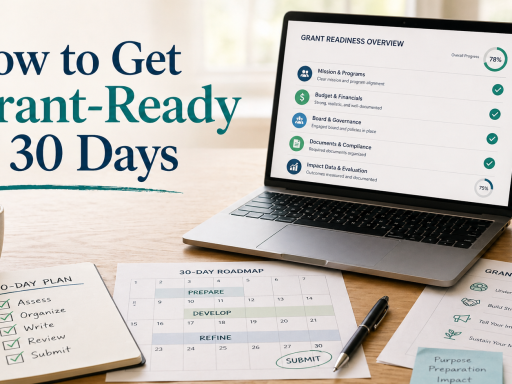
Most nonprofits lose grants not because of their mission — but because their financials aren’t ready. Here’s how to become grant-ready in 30 days. Related from Lighthouse Bookkeeping Nonprofit bookkeeping services Financial reports for leadership and boards Catch-up and cleanup bookkeeping
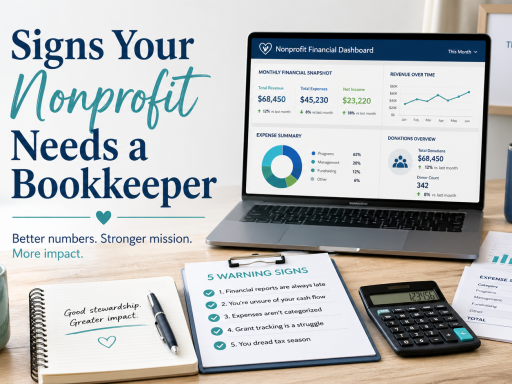
Running a nonprofit is one of the most rewarding things you can do — and one of the most financially complex. Between tracking restricted funds, filing Form 990, preparing board reports, and staying grant-ready, the financial side of a nonprofit can quickly become overwhelming. The good news? You don’t have

Forming a Limited Liability Company (LLC) is a popular choice for entrepreneurs looking to establish a business with flexibility, limited liability protection, and simplified taxes. While the process varies slightly by state, the steps to set up an LLC are generally straightforward. Below is a comprehensive checklist to help you

Starting a small business is a significant achievement, but keeping it afloat is the real challenge. Sadly, many small businesses fail within the first few years, but understanding the reasons for failure can help you navigate the complex world of entrepreneurship and avoid common pitfalls. Let’s delve into the primary
The guides below cover the questions owners and nonprofit leaders ask most about their books.
If you are behind, begin with the catch-up guide. If you want a routine, start with the monthly checklist.
Examples are hypothetical and meant to illustrate ideas, not to represent real clients.
Guides are educational and are not tax advice. Book a free consultation if you would like to talk about your own records.
No. They are educational, and questions about tax treatment belong with a tax professional.
No. Each guide stands on its own, so start with whichever matches your situation.
Yes. Mention it during a consultation or use our contact details in the footer.
Related: Bookkeeping services · Plans and pricing
Start with a free conversation about your records, reporting needs, and the support that fits.
